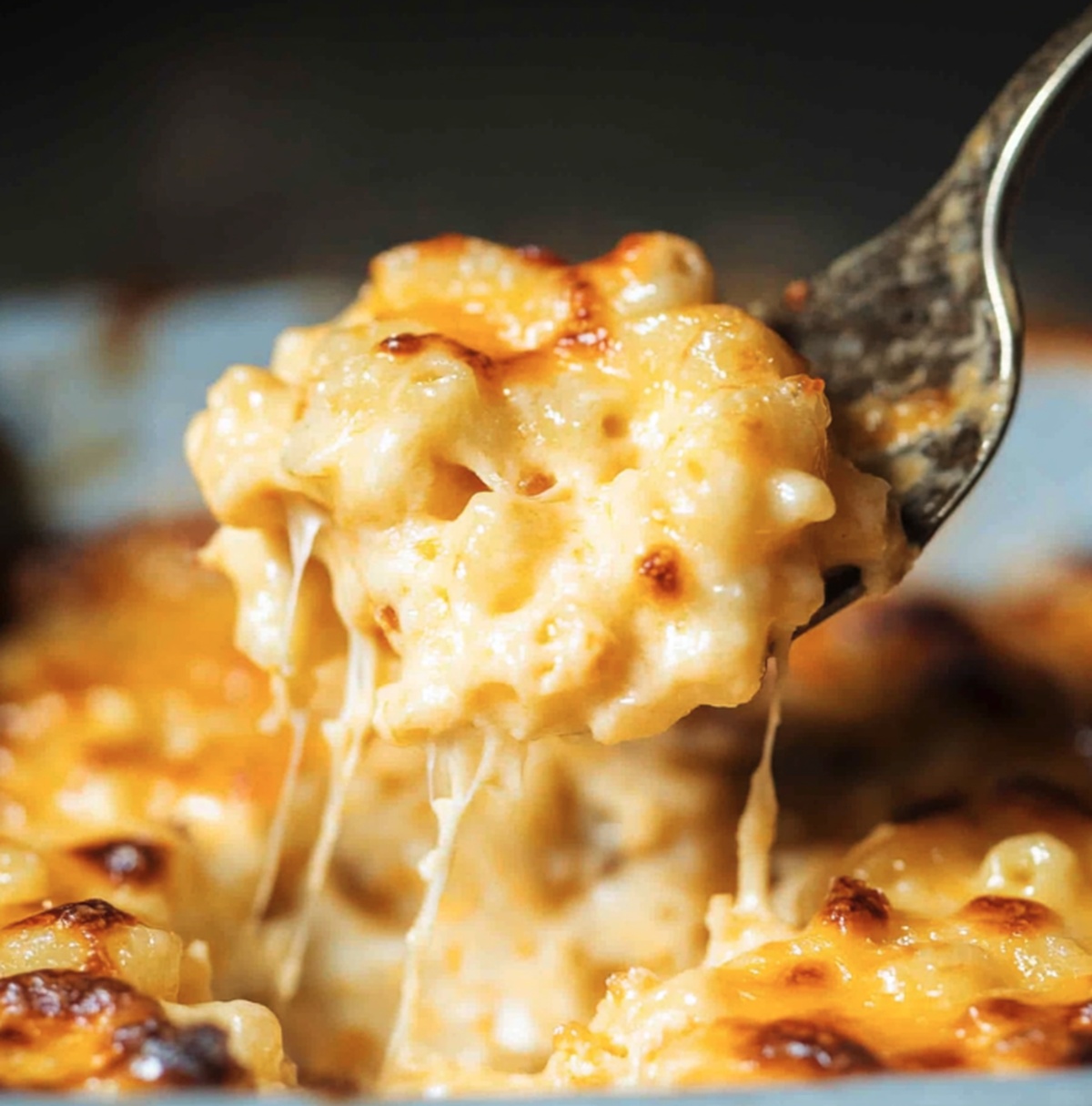
Grandma's Secret: Authentic Southern Mac and Cheese That Won't Dry Out
There are few dishes that evoke the warmth and nostalgia quite like a perfectly baked batch of
Southern mac and cheese. It's more than just a side dish; it's a culinary hug, a staple at family gatherings, holiday tables, and potlucks across the South. Yet, for many home cooks, achieving that elusive balance of rich cheesiness and a perfectly creamy, moist interior can feel like chasing a ghost. Often, the result is a dish that's dry, crumbly, or grainy, a far cry from the soul-satisfying perfection we remember from Grandma's kitchen.
But what if there was a secret, a time-honored technique that ensures your
authentic Southern mac and cheese is always baked to a custard-like, golden perfection, never separating or drying out? This isn't just about throwing cheese and pasta together; it's about understanding the art and science behind this beloved comfort food. Prepare to unlock the true essence of ultra-creamy, profoundly cheesy
Southern mac and cheese – the kind that holds its shape beautifully while melting in your mouth.
The Heart of Southern Mac and Cheese: Understanding the Custard Base
The most distinguishing feature of classic
Southern baked mac and cheese is its unique texture: a firm yet incredibly creamy interior that can be scooped into a perfect square, much like a savory custard. This isn't the loose, saucy "cheese pull" style often associated with stovetop versions. The secret to this signature structure and luscious mouthfeel lies in a humble, yet utterly essential, ingredient: the egg.
For those accustomed to modern mac and cheese recipes, adding an egg might seem unconventional. However, in traditional Southern culinary practices, the egg acts as a powerful binder and emulsifier. When baked, the egg proteins gently coagulate, creating a delicate custard base that cradles the pasta and cheese. This transformation is what prevents the sauce from separating or becoming oily, trapping moisture and ensuring every bite is moist and velvety. It's the reason why a slice of
Southern mac and cheese holds its shape so elegantly, making it ideal for serving at buffets and holiday spreads where presentation matters. The egg also contributes a subtle richness and body, deepening the overall flavor profile of the dish without overpowering the cheese. This technique isn't just about texture; it's about crafting a dish that is robust, comforting, and quintessentially Southern.
Crafting the Ultimate Cheese Blend: Beyond Just Cheddar
While a simple cheddar mac and cheese can be delightful, the true magic of
authentic Southern mac and cheese often comes from a thoughtful blend of multiple cheeses. Each cheese plays a specific role, contributing to the depth, creaminess, and overall complexity of the dish. This isn't about haphazardly throwing in whatever's in the fridge; it's about a strategic combination that builds a symphony of flavor and texture.
A robust foundation typically includes a sharp or medium cheddar for that undeniable, classic cheesy bite. But to elevate it to "soul food magic," you'll want to introduce other players. Mozzarella, for instance, adds incredible stretch and a mild, creamy backdrop. Smoked gouda, a fantastic choice, introduces a sophisticated smokiness that adds an unexpected layer of flavor and depth, transforming the dish from simple to gourmet. And then there's the unsung hero: cream cheese. This often-overlooked ingredient is vital for achieving unparalleled smoothness, helping to emulsify the sauce and prevent any graininess, ensuring a truly velvety texture. For even more complexity, consider adding a touch of Gruyere for nuttiness, or Fontina for an exceptionally smooth melt.
The most crucial tip for any cheese blend, however, is to
always grate your own cheese. Pre-shredded cheeses often contain anti-caking agents like cellulose, which can prevent them from melting smoothly, resulting in a gritty or less creamy sauce. Freshly shredded cheese melts beautifully, integrating seamlessly into your custard base for that dreamy, ultra-smooth finish that is the hallmark of truly
mastering Southern mac and cheese.
Mastering the Technique: From Pasta to Perfect Bake
Achieving that perfect, non-dry
Southern mac and cheese involves more than just great ingredients; it's about precision in technique. Every step, from cooking the pasta to tempering the egg, contributes to the final masterpiece.
Preparing Your Foundation: Pasta and Sauce
First, select your pasta wisely. While elbow macaroni is a classic, shapes like cavatappi or cellentani, with their ridges and coils, are excellent choices as they capture more of that luscious cheese sauce. Cook your chosen pasta in generously salted water until just *al dente*. This is critical, as the pasta will continue to cook in the oven, preventing it from becoming mushy. Drain it thoroughly but avoid rinsing, as the residual starch helps the sauce cling beautifully.
Next, embark on crafting your rich cheese sauce. In a saucepan over medium heat, melt butter, then whisk in cream cheese until it's smooth and velvety. Gradually pour in half-and-half (or milk for a slightly lighter version), whisking constantly to maintain that silky texture. Slowly add about half of your carefully selected, freshly shredded cheese blend, handful by handful, stirring until each addition melts completely. This gradual process over moderate heat is key; high heat can cause the cheese to seize or become greasy. Season generously with kosher salt, freshly ground black pepper, paprika for warmth and color, and a touch of garlic powder for depth. A secret touch from some grandmas is a teaspoon of yellow mustard; it won't make your mac and cheese taste like mustard, but it brilliantly enhances the cheesy flavor and adds a subtle tang, balancing the richness.
The Golden Rule: Tempering the Egg
This is where Grandma's secret truly shines. To incorporate the egg without it scrambling in the hot cheese sauce, you must *temper* it. In a small bowl, lightly beat your egg. Then, very slowly, ladle in 2-3 spoonfuls of your warm cheese sauce into the egg, whisking continuously. This gradually brings the egg's temperature up, preventing it from cooking instantly when it meets the rest of the hot sauce. Once tempered, gently whisk the egg mixture back into the main cheese sauce until fully combined. This step ensures that smooth, custard-like texture without any unwanted bits of cooked egg.
Combining and Baking for Perfection
In a large mixing bowl, combine your cooked pasta with the exquisite cheese sauce and egg mixture, ensuring every piece of pasta is thoroughly coated. Pour the mixture into a generously buttered baking dish. For a beautiful golden crust, you can sprinkle the remaining half of your cheese blend over the top.
Bake in a preheated oven (around 300-350°F or 150-175°C) until the cheese is bubbly and the top is golden brown, typically 35-50 minutes, depending on the oven and dish size. The lower temperature allows the custard base to set slowly and evenly, preventing the edges from drying out before the center is done. Once out of the oven, resist the urge to dive in immediately! Letting your
southern mac and cheese rest for at least 15-20 minutes allows the custard to fully set, resulting in those perfect, sliceable squares we adore.
Grandma's Best Tips for Southern Mac and Cheese Perfection
- Freshly Grated is Best: Always grate your own cheese for the smoothest melt.
- Don't Overcook the Pasta: Al dente is your goal; it finishes cooking in the oven.
- Temper the Egg: This step is non-negotiable for a silky-smooth, never-scrambled texture.
- Low and Slow with Cheese: Melt your cheese gently over medium-low heat to avoid greasiness.
- Season Liberally: Taste your sauce (before adding the egg) and adjust seasonings.
- Rest, Rest, Rest: Allow the baked mac and cheese to rest after baking for the ultimate set and creaminess.
The Enduring Legacy of Southern Mac and Cheese
There you have it – the secrets to crafting an
authentic Southern mac and cheese that would make any grandma proud. By understanding the critical role of the egg in creating that luscious custard base, thoughtfully blending a variety of cheeses for depth and creaminess, and meticulously following techniques like tempering, you can banish dry, grainy mac and cheese from your kitchen forever. This recipe isn't just about ingredients; it's about a culinary tradition, a slice of comfort, and the joy of sharing truly exceptional food. Go forth, embrace these timeless tips, and create a pan of
southern mac and cheese that is rich, cheesy, and perfectly creamy every single time. Your taste buds, and your guests, will thank you.